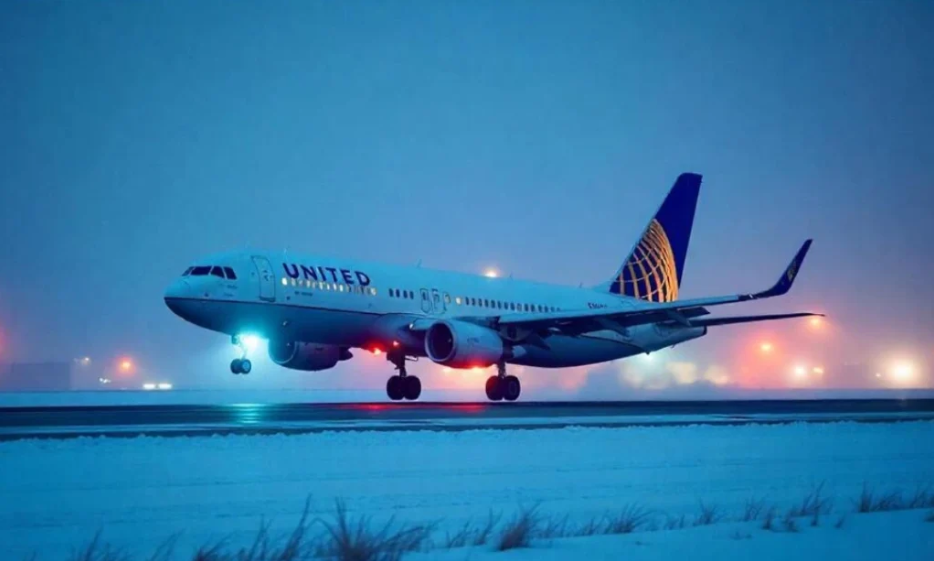

United Flight UA195 Diversion Halifax is a widely followed flight due to its route and regular passengers. Recently, this flight made headlines when it experienced an unexpected diversion to Halifax. Diversions can be stressful for passengers, airlines, and airport authorities, and understanding the reasons behind them can help travelers stay informed and prepared.
A diversion occurs when a flight cannot land at its intended destination due to safety, weather, technical issues, or air traffic control concerns. For UA195, the decision to divert to Halifax was made to ensure passenger safety and to manage the situation efficiently. Passengers often wonder why diversions happen and what steps are involved when a flight changes its landing location unexpectedly.
Halifax International Airport, known for its modern facilities and professional staff, played a key role in managing the diversion. The airport handled the emergency landing smoothly, ensuring that all passengers were safely off the plane and accommodated appropriately. Diversions like this often involve coordination between the airline, airport authorities, and local services to minimize disruption.
Why United Flight UA195 Was Diverted to Halifax
The primary reason for the diversion of United Flight UA195 to Halifax was related to unforeseen circumstances during the flight. These can include technical issues, severe weather conditions at the destination, or other safety concerns. Airlines prioritize passenger safety above all else, and diverting to a nearby airport is a standard procedure in such situations.
In this particular case, reports suggested that weather conditions along the original route created a risk for a safe landing. Halifax was chosen as the nearest airport capable of handling the aircraft type and passenger volume. Diversions are always carefully planned to ensure minimal impact on passengers’ safety and comfort.
Additionally, air traffic control plays a crucial role in guiding the plane safely to an alternate airport. Pilots communicate constantly with air traffic controllers to evaluate the safest and most efficient diversion options. Halifax’s strategic location and equipped facilities made it a suitable choice for United Flight UA195.
What Passengers Experienced During the Diversion
Passengers aboard United Flight UA195 experienced a mix of anxiety and relief during the diversion. While unexpected diversions can cause worry, passengers reported that the airline staff remained professional and informative throughout the process. Communication from the cockpit and flight attendants is vital in keeping passengers calm and informed during such events.
Many passengers also noted the efficiency of Halifax airport staff. From taxiing and disembarking to baggage handling, airport authorities worked quickly to ensure that passengers were not left waiting for long periods. Ground services, transportation arrangements, and hotel accommodations were also coordinated to make the situation as manageable as possible.
For travelers, such experiences highlight the importance of patience and preparedness. Diversions are rare, but knowing that airlines and airports follow strict safety protocols can reassure passengers during unexpected changes.
The Role of Halifax International Airport
Halifax International Airport played a central role in the successful handling of United Flight UA195’s diversion. The airport is equipped with modern runways, emergency response teams, and passenger facilities capable of managing unexpected landings efficiently.
Airport authorities coordinate with the airline to ensure smooth operations. Emergency services, ground staff, and security teams work together to manage diverted flights. The quick response from Halifax airport minimized delays and ensured passengers’ safety and comfort during the diversion.
Halifax International Airport is no stranger to diversions and emergency landings, making it well-prepared for situations like UA195. Its trained personnel and infrastructure allow for handling large passenger planes and provide immediate assistance when needed.
Airline Procedures During a Diversion
When United Flight UA195 was diverted to Halifax, the airline followed standard diversion procedures. Airlines have detailed protocols to manage passenger safety, provide information, and assist with accommodations if needed. Flight crews are trained for emergency scenarios and maintain constant communication with the airline’s operations center.
Passengers were informed about the situation through announcements and updates from flight attendants. The airline arranged for ground transportation and hotel accommodations for passengers whose onward travel plans were disrupted. Airlines strive to reduce inconvenience while maintaining safety as the top priority.
In addition, the airline coordinated with local authorities to ensure smooth handling of baggage, customs, and security procedures at the diversion airport. Diversion procedures can be complex, but United Airlines handled this situation professionally.
Impact on Passengers’ Travel Plans
The diversion of United Flight UA195 to Halifax naturally affected passengers’ travel plans. Some passengers experienced delays reaching their original destinations, while others had to arrange alternative connections. Airlines often provide options such as rebooking flights, hotel accommodations, or meal vouchers in such scenarios.
Travelers are advised to stay in contact with the airline and monitor updates. Flight diversions, though rare, can impact connecting flights and travel schedules. Being informed and flexible can help passengers manage the situation more effectively.
Despite the inconvenience, passengers acknowledged the professionalism of the airline and airport staff. Clear communication and timely assistance helped reduce stress during the diversion.
Safety Measures During Diversions
Safety is the primary reason airlines divert flights. United Flight UA195’s diversion to Halifax reflects the airline’s commitment to passenger safety. Pilots, crew, and ground staff follow strict guidelines to ensure that all safety measures are observed during a diversion.
Passengers are advised to remain seated, follow crew instructions, and avoid unnecessary movement during emergency procedures. Emergency response plans at airports like Halifax ensure that medical, fire, and security teams are ready to respond if required.
In addition, aircraft are inspected and serviced thoroughly after diversions. Any technical or operational concerns are addressed before the plane continues its journey or returns to regular service.
How to Prepare for Flight Diversions
While flight diversions are uncommon, travelers can take certain steps to prepare. Keeping important documents, medications, and essential items in carry-on luggage can reduce stress in case of a diversion. Staying informed about weather conditions and airline policies can also help passengers navigate unexpected changes.
Using airline apps, checking notifications, and maintaining flexibility in travel plans can make diversions easier to handle. Understanding that safety is the priority helps passengers remain calm and patient during such situations.
Communication During the Diversion
Communication plays a key role during a flight diversion. United Flight UA195’s crew kept passengers informed with timely updates, announcements, and instructions. Passengers appreciated the transparent communication and guidance provided during the diversion.
Airlines also communicate with airport authorities and ground staff to coordinate logistics. Effective communication ensures that passengers are assisted promptly and safely upon arrival at the diversion airport.
Passenger Experiences After Landing
After landing in Halifax, passengers shared their experiences and highlighted the professionalism of both the airline and airport staff. Assistance with baggage, transportation, and onward travel was provided efficiently. Passengers also received guidance on connecting flights or alternative arrangements.
While diversions can be inconvenient, positive experiences often depend on how well the airline and airport manage the situation. For UA195 passengers, the diversion highlighted the importance of safety and professional support.
Conclusion
The diversion of United Flight UA195 to Halifax was an unexpected event, but it demonstrated the airline’s commitment to safety and passenger care. Diversions, though stressful, are necessary in certain situations to ensure the well-being of passengers and crew. Halifax International Airport’s capabilities and coordinated response made the diversion smooth and efficient.
Passengers were provided with timely communication, logistical support, and accommodations, reducing the impact of the diversion on their travel plans. While diversions can be inconvenient, understanding the procedures and safety measures can help travelers remain calm and prepared.
Flight diversions remind passengers that air travel involves dynamic conditions, and airlines prioritize safety above all else. United Flight UA195’s experience serves as a case study in effective coordination, professional communication, and the importance of preparedness during unexpected flight changes.
FAQs
What caused United Flight UA195 to divert to Halifax?
The diversion was primarily due to safety concerns, including weather conditions and operational considerations at the original destination. Halifax was chosen as a safe and suitable alternate airport.
How were passengers accommodated after the diversion?
Passengers received assistance with baggage, ground transportation, hotel arrangements, and rebooking for connecting flights. Airline staff coordinated closely with Halifax airport to ensure smooth handling.
Is it common for flights like UA195 to be diverted?
Flight diversions are relatively rare but can happen due to safety, technical, or weather reasons. Airlines follow strict protocols to ensure passenger safety during such events.